It’s something built into the password management services offered by Apple and Google as well, so you don’t need to trawl through data leaks manually yourself. With all of that in mind, you need to tread carefully when browsing, in terms of the sites you visit and the other users you interact with. Bear in mind too that laws about freedom of speech and censorship vary from country to country, which is part of the reason the dark web exists in the first place. Even if you’re using a private, anonymized crypto wallet, there are other ways your identity can be revealed—even if it’s something as simple as letting a personal detail slip in an instant message. For this reason, most people consider the dark web to be quite dangerous. However, if you use the dark web to visit the URLs of specific websites, such as the BBC’s dark web Tor mirror, it can be perfectly safe to access the Tor network.

However, technological advancements such as encryption and privacy-focused browsers like Tor enabled the general public to access it. One option is to try DuckDuckGo’s .onion version, which is great for privacy. Other options include Ahmia and NotEvil, which focus on listing .onion links. SecMail is one of the most popular email services on the dark web.
How The Dark Web Impacts Cybersecurity
Internet security software like Kaspersky Premium are comprehensive to cover both identity monitoring and antivirus defenses. Identity theft monitoring is critical if you want to keep your private information from being misused. All types of personal data can be distributed online for a profit. Passwords, physical addresses, bank account numbers, and social security numbers circulate in the dark web all the time. You may already be aware that malicious actors can use these to harm your credit, engage in financial theft, and breach of your other online accounts.
That alone might already raise suspicion and place you under special surveillance. Some reports say the FBI will simply label you a “criminal” once they’re aware you’re using the Tor browser. So, once you’ve activated your VPN and your privacy is secured, it’s time to visit Tor’s official download page. Make sure that when you download the Tor file, it’s from their official website.
Help Address Today’s Biggest Cybersecurity Challenges
These tactics trick users into revealing sensitive information or paying for non-existent products. Knowing about various types of ransomware and common hacks can help you better prepare to spot cybersecurity threats on the dark web. You can use these dark web investigation tools to check if your company’s data is available on the dark web.
How To Safely Access The Deep Web
Originally used by the United States Department of Defense to communicate anonymously, the dark web has now become a hub for users wishing to remain anonymous around the world. It uses a technology called “onion routing,” which protects users from surveillance and tracking through a random path of encrypted servers. When users access a site through Tor, their information is routed through thousands of relay points that cover the user’s tracks and make their browsing virtually impossible to trace.
Some educational facilities and government websites use firewalls and intranets to restrict access to content. However, that’s just one of the main differences between the two — we’ll discuss more in this guide. We’ll dissect the dark web and the deep web to reveal how they work and their underlying technologies. We’ll also highlight the risks and show you how to access each section of the internet without jeopardizing your digital security or privacy. Simply accessing sites that are not indexed or otherwise publicly available is not illegal.
Is It Illegal To Access The Deep Web Or The Dark Web?
- From the login page of internet service providers to email mailbox or even social media profiles, are a part of the deep web.
- Check Point offers cyber security risk assessments, which help organizations to identify their cyber risks and develop plans for remediating them.
- It blocks trackers, prevents user fingerprinting, encrypts data, and reroutes your browsing so no one can see where in the world you are.
- Accessing the dark web is legal, but what you do on the dark streets matters.
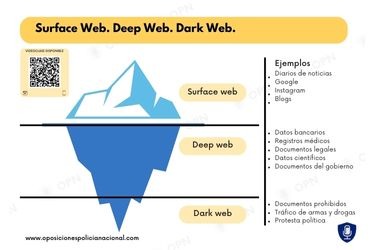
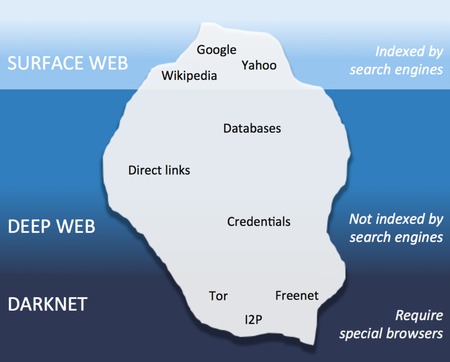
The deep web contains hidden content, such as private databases, government websites, and intranets. These parts of the internet require users to log in to access the data, and they consist of cloud servers that are protected with encryption and unlisted by search engines. The deep web is a layer of the internet that’s not indexed by search engines and requires further permissions to access, like a paywalled academic resource or an employee-only corporate website. The dark web is another layer of the internet where users are anonymous and illegal activities, such as drugs or weapons trading, may occur.
Though most volunteers mean well, others are malicious actors and surveillance agencies. The worst part of the network is that you don’t have control over the nodes your traffic is routed through. The deep web also facilitates the sale of digital services and content, such as SaaS tools and on-demand content. Perhaps the most serious criticism of the deep web is that it undermines the openness and equality of the internet. In the 1990s, there were hopes that the Internet would give everyone an equal chance to access everything.
DLP Platform
Now the “Dark Web” too is unindexed, and hence is a part of the deep web but it’s termed the “Dark web” because the content available over there isn’t only illegal, but also rare. As you may have guessed by now, not all un-indexed content is “illegal” or harmful, which further enforces my statement that the Deep web isn’t illegal, it’s purely “non-indexed” content, nothing more. It turns out that a majority of cybercriminals, selling everything from compromised personal and financial data to drugs and hacking tools, constitute over half of Dark Web contents. Note that bits and pieces of the data out of the Deep Web may be picked up by search engines in the case of a data breach or targeted attack.
Facebook Onion Site
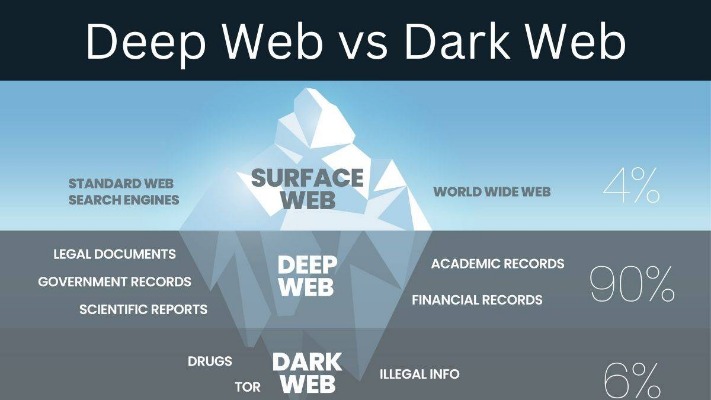
The terms “dark web” and “deep web” are often conflated and used interchangeably, mainly because the former is part of the latter. Privacy, which is usually provided by encryption, is another benefit of the deep web. Encryption on the deep web allows fee for service sites to keep their content away from nonpaying Internet users while serving it to their customers. The encryption of databases is absolutely necessary for all forms of fintech to function properly. Without this security, neither firms nor individuals could safely conduct financial transactions over the Internet. The dark web was designed mainly to provide users with more privacy.
It is the dark web’s version of Wikipedia with a massive links directory. You will find all the necessary .onion links to access any content or service on the dark web. Check out these best onion sites to access the dark web securely and anonymously.
It hosted over 7,000 .onion categorized links to make surfing the web easier. One of Daniel’s impressive features was the built-in functionality that showed whether a particular dark website is online. After more than a year of no updates, the site admin shut it down, reasoning that he couldn’t keep the list of onion links up-to-date.
- Activists and government critics prefer to remain anonymous, fearing repercussions if their identities are revealed.
- Simply accessing certain sites or engaging with the wrong links could implicate you in criminal investigations.
- We take a deep dive into what the dark web is and the dangers it poses.
- They are Web pages, Web applications, and other online elements that search bots — digital analogues of cartographers’ cameras — can index.
- Now let’s understand the basics of the Indexed web for better clarity.
- Much of the content on the deep web would not be available at all if only the surface web existed.
It makes up about 6% of the internet, and it’s where you find everything from illegal marketplaces to forums for whistleblowers. If you’ve ever checked your medical results online through a portal that required a login, you were navigating the deep web. It’s huge, making up about 90% of the internet, but it’s mostly mundane, hidden behind login screens for privacy and security. It’s no bad thing for data to be buried deep, invisible to those for whom it is not intended. If, for example, corporate correspondence were to find its way into a search index, the consequences could be unfortunate.
The Main Differences Between The Dark Web & The Deep Web
That is approximately how darknets — restricted-access networks used chiefly for questionable activities — operate. The nodes of each individual darknet (servers, computers, routers) are invisible not only to search engines, but, because they use nonstandard protocols to transfer data, to most browsers as well. Neither a direct link nor a password will get an ordinary user in. Although the deep web and the dark web may seem intimidating and dangerous, they’re actually surprisingly simple services to get started with and use. His work is featured in Cloudwards and he has been quoted in The Daily Beast, reflecting his dedication to internet privacy.